
|
IN THE APRIL ARTICLE OF OUR MONTHLY COLUMN IN SAI KUNG/SOUTHSIDE/EXPAT PARENTS MAGAZINES; WE HEAD OVER VICTORIA PEAK IN SEARCH OF HIDDEN GEMS
Victoria Peak. You may have heard of it... Yes, Hong Kong is for many of us our home and long time residents may question the value of me telling you about visiting such a well-publicized area. However, it is packed full of lesser-known nooks and possesses bountiful options for exploration. I must admit, until recent times ‘The Peak’ was a spot I would only frequent when showing visiting friends around town and I never went there on my own. Since I have been back in HK and I am hiking a lot more these days, I have taken more time to explore this region of Hong Kong Island and have been thoroughly impressed with what I have found! With such a plethora of options I’ll keep things simple here, sharing with you my favorite route over The Peak and highlighting a few appealing detours along the way. My optimal route begins in Admiralty, runs over Victoria Peak and finishes in Aberdeen. 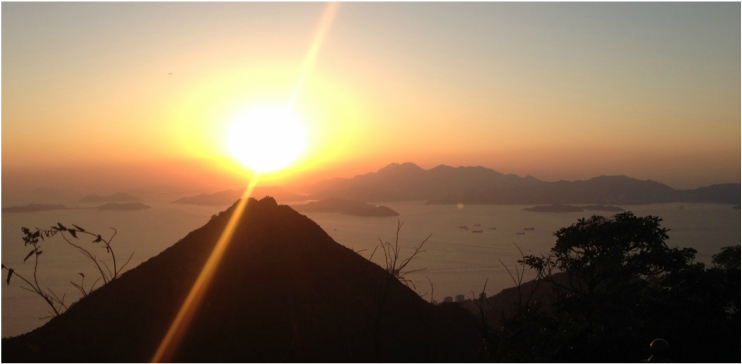
Now as a local, I am aiming to walk the entire way up and over. But of course, there are no rules and if you want to take it easy or you’re short on time, half the route can be done on foot and the other by alternate means of transport. I love starting my adventure in the city and finishing in more tranquil surroundings on the southern side of HK Island. Beginning in Admiralty, one should proceed up the hill to the Hong Kong Botanical and Zoological Gardens if ascending on foot (otherwise catch the number 15 bus or a taxi from Queensway to the Peak Galleria, don’t bother queuing for the tram up).
Passing through the botanical gardens, one immediately escapes the hustle and bustle of Central, the gardens contain many interesting bird and marsupial enclosures and I love having a wonder around before pressing onwards and upwards. Ascending Old Peak Road, the gradient steps up a notch. The going gets much more physical, but a glance over your shoulder reveals an increasingly expansive view of the skyscrapers and motivates you to carry on. Once above all the housing developments, Old Peak Road transforms into a charming laneway. A smooth surface winding its way through the trees, the shady shelter harbors many native bird species, their calls providing a soothing soundtrack for the final uphill section.
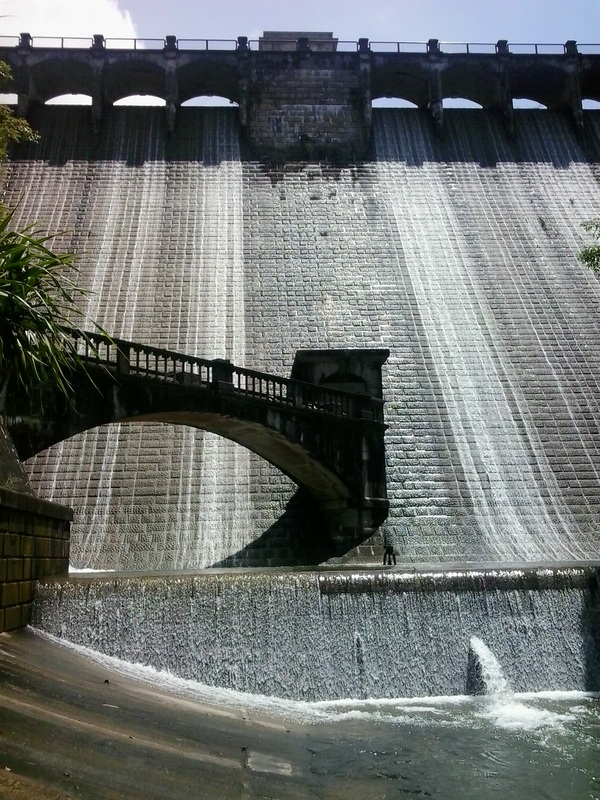
Half an hour or so down and one will find themselves at the end of the Peel Rise where they can turn right and arrive in Aberdeen. I recommend turning left and taking a detour to explore the Upper & Lower Aberdeen Reservoirs. This area flies under many people’s radars, yet is incredibly scenic and the large dam wall at the upper reservoir alone is worth the walk to visit.
Back down in Aberdeen and a timely return to civilization. The whole walk should take between 2 to 5 hours depending on your pace and choice of route. There are plenty of dining options here for a post hike meal here, or simply shoot back to wherever you want on a bus or taxi. The MTR opening in Wong Chuk Hang later this year will be a game changer for the area. This is a versatile itinerary that can satisfy all folk, from families in search of a spot of fresh air, to athletic individuals seeking an after work workout. One way or another, heading up Victoria Peak is a must do for anyone spending time in our great city. That magical view from the top never gets old. 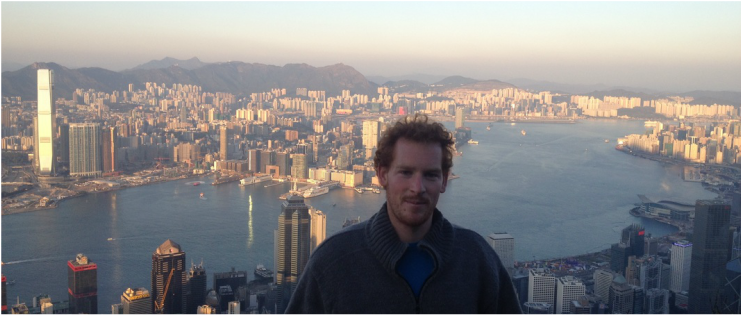
3 Comments
IN THE MARCH ARTICLE OF OUR MONTHLY COLUMN IN SAI KUNG/SOUTHSIDE/EXPAT PARENTS MAGAZINES; WE VENTURE OUT TO THE REMOTE SOUTHERN TIP OF LANTAU ISLAND FOR A MEMORABLE ADVENTURE
There are many spots in Hong Kong that can feel far removed from the city, but are in fact just round the corner or over the hill from town. Then, there are those rare confines that are genuinely far removed from civilization. The Southern tip of Lantau Island is such a place. Take the time to venture this enclave and you will be rewarded with a trip back in time! An untarnished landscape bursting with deserted beaches, fertile valleys and lush jungles lying in wait. 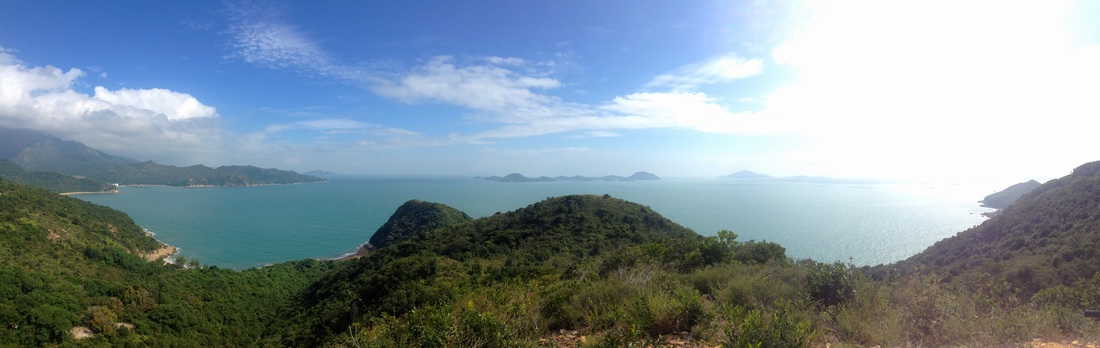
Despite Southern Lantau’s geographical isolation from the rest of Hong Kong, it is easily accessible and can be reached from the city within a couple of hours. Once there, Southern Lantau is best explored by foot. My favorite route here follows the regions inspiring coastline, starting at Shek Pik in the east and finishing at Tai O in the west. As a direct hiking route, the more athletic types can complete the 15 kilometers within 4-5 hours. However, there are many sights worthy of a cheeky detour along the way and it is worthwhile dedicating an entire day to this adventure. As a coastal hike, the main path avoids any major hills and is ideal for families who enjoy the outdoors. It is advisable to bring a map along if unsure of your directions and plenty of fluids during the warmer months.
To reach the start of the trail, catch either the ‘number 11’ bus from Tung Chung, or ‘number 1’ bus from Mui Wo to Tai O. Keep an eye out for Shek Pik Reservoir and disembark at the first bus stop immediately after crossing the dam wall. Take in the beautiful sight of Shek Pik Reservoir and Lantau Peak behind before turning away and following the Lantau Trail south. The first part of the walk follows a catch-water and serves as a gentle warm up before hitting the dirt track. Staying up above the coastline, there are beautiful views to be had across many bays and beaches on this section. The path then descends to the idyllic Fan Lau Peninsula and its two sandy beaches. There is a small dai pai dong here with a friendly owner that will do you a wholesome bowl of noodles, complete with drinks and fruit. This is the only such facility along the way, so make sure to recharge here before heading on. If interested in historical sites, one can take a half hour excursion to visit Fan Lau Fort on the far end of Fan Lau Peninsula. Built in 1729 during the reign of the Yongzheng Emperor, the fort was subsequently abandoned by the British in 1898 and a large stone rectangle is most of what remains today. The second half of the walk from Fan Lau to Tai O follows a much more sheltered section of coastline and is more heavily forested. The area possess great biodiversity, so keep an eye out for interesting plants and animals. Pass through the majestic village of Yi O; complete with agricultural farmland, grazing cattle and abandoned buildings, it’s an exceptionally surreal settlement to stroll through. Shortly after passing through Yi O the path meets an area of mangroves on the coast, at this juncture there is an option to check out the most stunning of detours at the Man Cheung Po waterfalls and infinity pool. Turn right onto a less distinct path and follow your way up the hill past a few abandoned houses. Continue for around 20 minutes up the valley until you reach the pools. It’s quite a popular spot nowadays, so you may suddenly see more folk in the first five minutes up there than you would have on the entire walk to that point. But upon reaching the pools on a sunny day, it is clear to see what all the fuss is about. Although it is prohibited to swim in the infinity pool (as it serves as a reservoir for Tai O), the numerous rock pools and waterfalls behind it are fair game. Go back down the same way you came up and upon returning to the main path, it’s a simple walk for one hour to reach Tai O. 
Additionally, if hiking 15-17 kilometers sounds like biting off more than you can chew, there is always the option to hike either end of the trail as a shorter return from Shek Pik or Tai O, to Fan Lau and Man Cheung Po/Yi O respectively.
Once in Tai O, it’s always good to have a wonder around the village, no matter if it’s your first or one hundredth time there. Enjoying the sights and a refreshing beverage always go down a treat after a decent walk. From Tai O you can simply hop on the bus back to civilization, although beware that the ‘number 11’ bus to Tung Chung can sometimes have massive queues during holiday seasons. If this happens, then I strongly recommend cutting your losses by opting for the ‘number 1’ bus to Mui Wo and an onward ferry to Central. Southern Lantau is such an incredible part of Hong Kong to explore. Any adventure here will leave you with a bunch of great memories and a sound nights sleep! WE WENT FOR A GREAT TOUR UP TO NG TUNG CHUNG CHAI THE OTHER MONTH. CHECK OUT RANDEE'S AWESOME BLOG POST ON HER TIME IN HK WITH US! 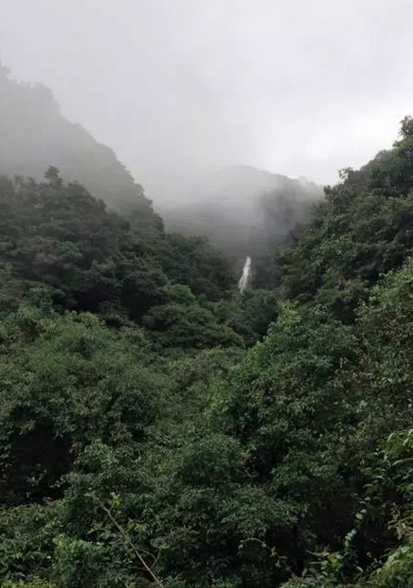
IN THE FEBRUARY ARTICLE OF OUR MONTHLY COLUMN IN SAI KUNG/SOUTHSIDE/EXPAT PARENTS MAGAZINES; WE VENTURE OUT TO THE RUGGED ISLE OF TUNG LUNG CHAU FOR A MEMORABLE ADVENTURE
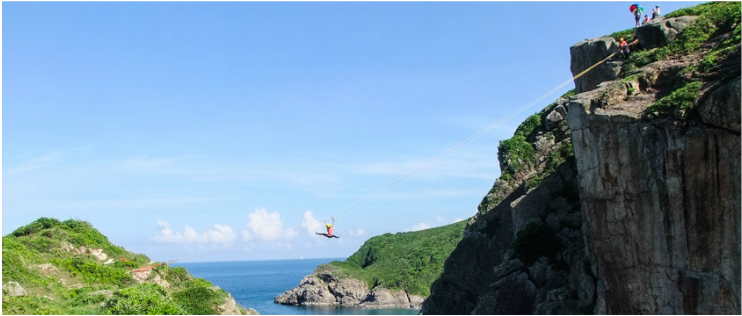
Rugged, windswept and diverse, Tung Lung Chau possesses a little bit of something for everyone. From family friendly outings and historical rekeys, to rock climbing and zip lining sessions, this craggy outcrop has all the tricks to keep you more than entertained for the day! Easily reached, it makes for a convenient full or half day trip away from the city. 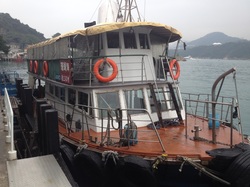
To reach the island, take a ride on the ferry from Sam Ka Tsuen Public Pier in Yau Tong (5 mins walking distance from Yau Tong MTR Station). Several sailings make their way to Tung Lung Chau each day until 4:30pm; visit bit.ly/TungLungChauFerry for the complete ferry schedule. Make sure to check out climatic conditions on the day before venturing onto the water. If the weather is wild, it may not make for the most pleasurable of experiences, but on a fair day the island and its surrounds are simply stunning. Departing adjacent to the picturesque Lei Yue Mun Village, the ferry then embarks across the open waters of eastern Victoria Harbour. There are brilliant views across the Clear Water Bay Peninsula to the north and to Shek O Peninsula to the south.
No matter which of the two routes is taken, one will arrive at Tung Lung Chau’s northeastern promontory where Tung Lung Fort is located. From here folk can get hands on with the main attractions on offer. Close to the campsite lie the remains of Tung Lung Chau Fort, built between 1662 and 1722 by order of Yang Lin, Viceroy of Guangdong and Guangxi. It used to defend the island from pirates attempting to enter Victoria Harbour from the South China Sea.
Climbers don’t forget your chalk bag! Regarded as one of the best places in Hong Kong for rock climbing, the eastern escarpments of Lung Tung Chau offer bountiful climbing lines in a scintillating setting. There are several operators that provide climbing and zip lining sessions here, visit bit.ly/TungLungChauGuide for more information. 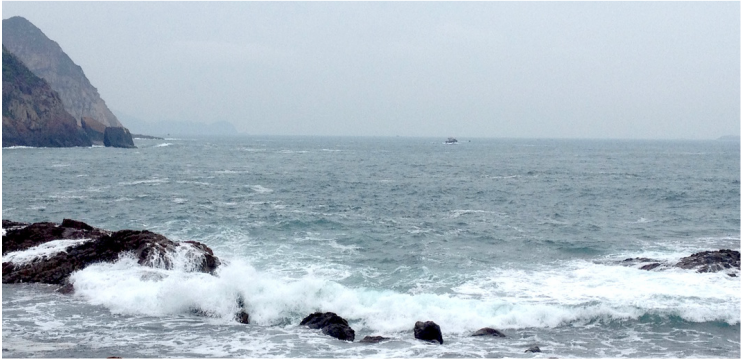
Be sure to catch the final boat leaving the island for return to the mainland at 5pm, unless an overnight stay is more your cup of tea. Camping in HK can be an awesome experience and Tung Lung Chau is a superb illustration of this. The campsite beside Tung Lung Fort has adequate facilities and a rugged waterfront setting to die for. Weekends and public holidays can be busy here so be wise with your timing, try not to visit on a public holiday. If you have a bit of time to kill before the next ferry departure, perhaps make a detour to see Hong Kong’s oldest and largest rock carvings, dating back over 5000 years the dragon depiction is a relic worth seeing. Alternatively, relax at one of the islands several dai pai dongs (local cafes).
All in all, this is a cracking little spot that all can to enjoy in different ways. Among the list of Hong Kong’s many islands, Tung Lung Chau flies under the radar and punches well above it’s weight. 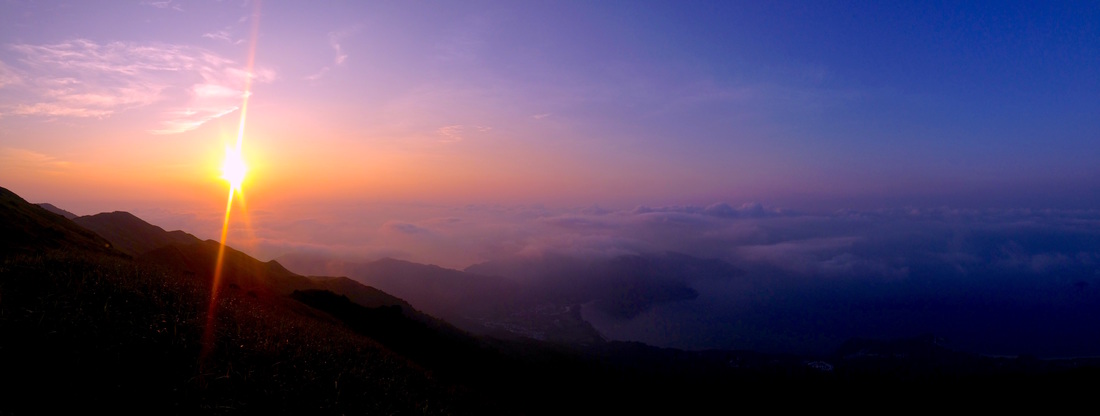 We've added an exciting new route to our list of set hiking tours!!! One of our favorite places to go in HK, we've done this a few times as a customised hike and want to share the experience with more people.
On a good day, witnessing the sunrise atop Lantau Peak is a gift to behold. When the weather is good, get involved! http://www.wildhongkong.com/lantau-peak-sunrise-climb.html http://butterboom.com/_shopguide/top10s/hong-kongs-top-waterfall-trails-2a/ It may seem rather cold at this time of the year for waterfall hunting. However, there is a certain amount of vitality to be found in exploring such pristine environments during the winter months. And thanks to this bizarre El Niño weather, all the rivers are flowing hard! If you're still not convinced, then let this list warm your soul during the winter months and dream of those warmer summer days. They will be back before you know it :) 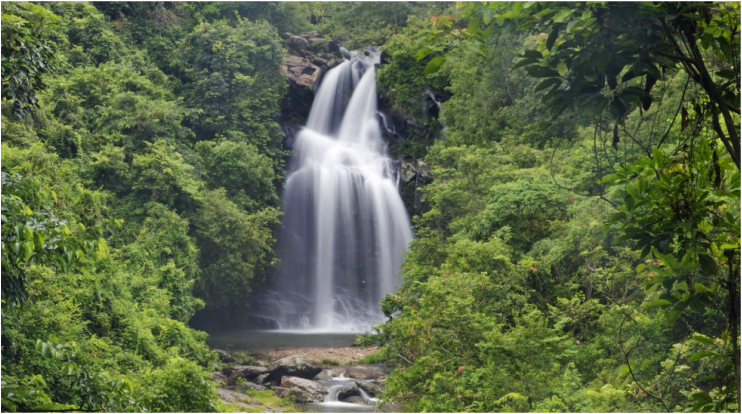 Bride’s Pool & Mirror Pool These beautiful pools are very accessible; both can be sighted with little walking involved. Legend has it that en route to her wedding; a bride fell into the river above and was carried down the waterfall. With that said, these shallow pools do not possess any cliff jumping opportunities and are defined by a picture perfect cascade that drops into the Bride’s Pool. Combine a visit to the falls with some time spent enjoying the nearby village of Tai Mei Tuk. Grab a bite at one of the many restaurants around or dabble in some water sports to make for the perfect day out! Getting there: Take the MTR East Rail to Tai Po Market Station and board the 20C minibus to Tai Mei Tuk. From there one will have to walk for a further hour or catch a $40 taxi to the Bride’s Pool car park. However, on Sundays and public holidays you can take the 257R KMB bus from Tai Po Market all the way to the Bride’s Pool. Be warned that the last bus departs at 6:45. 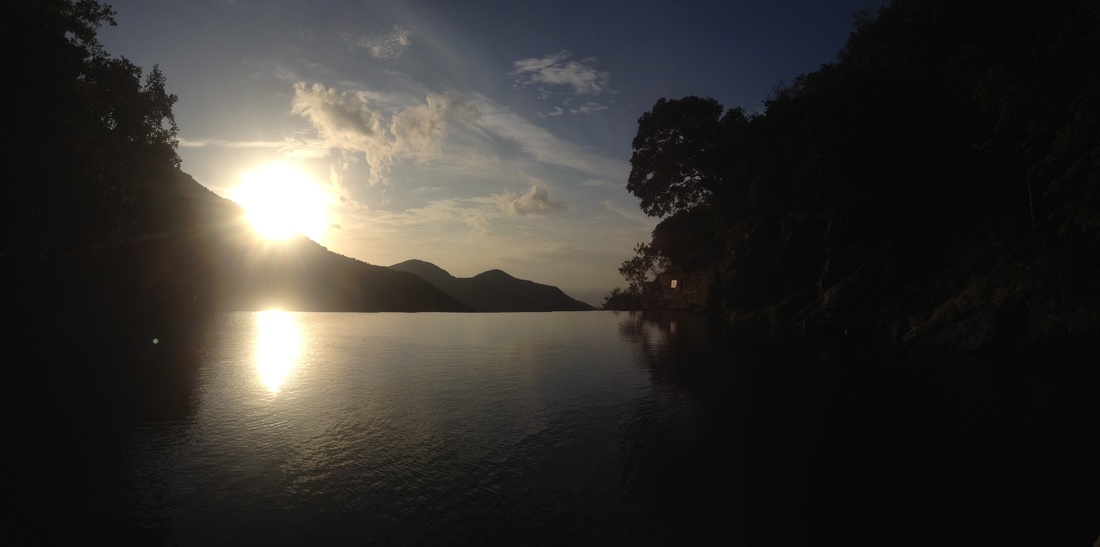 Man Cheung Po Infinity Pool Venture out to the far southeastern bounds of HK and Lantau Island to discover a beautiful vista. Less than four kilometers from the Tai O bus stop you can find 200 meters of layered tumbling waterfalls that include an infinity pool overlooking the South China Sea. If that isn’t enough, couple the adventure with a day exploring Tai O fishing village and keep an eye out for the famous pink dolphins off the coast. Be warned that it is prohibited to swim in the infinity pool itself, although continue upstream and there are plenty of rock pools to make your own. Getting there: Hop on the MTR to Tung Chung or the Ferry to Mui Wo. From there, grab the number 11 or number 1 bus respectively, to the Tai O. Follow the pier near the bus stop, continuing along the shorefront path. About 3km into the walk you will see a sign on your left for Man Cheung Po, don’t take it. Instead simply stay on the coastal path until a set of stairs on the left comes into view; this is the way up the valley to the rock pools. The whole route from Tai O should take around an hour each way to complete. 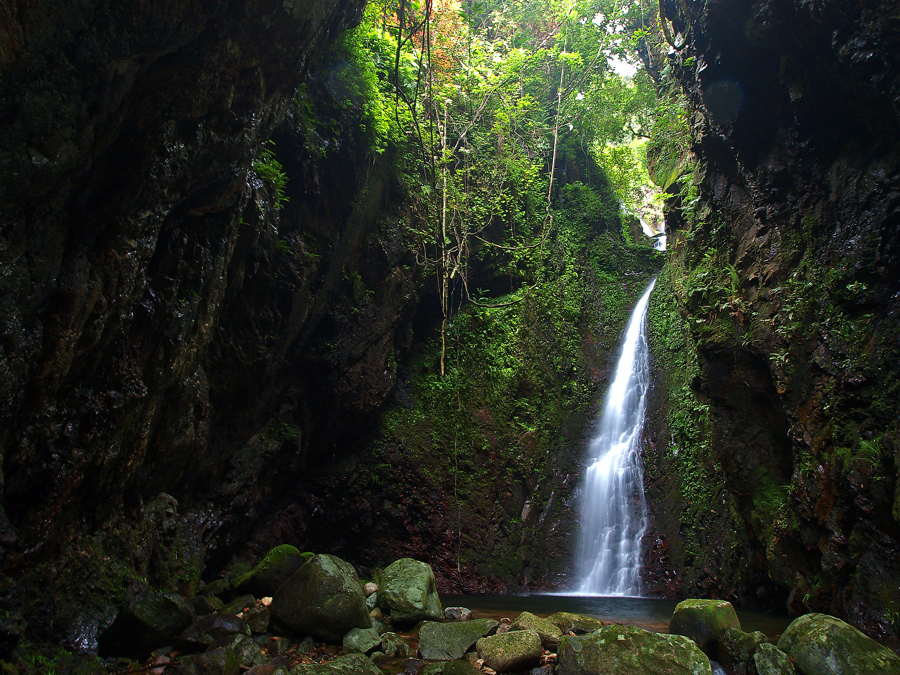 Ng Tung Chai Waterfalls Containing one of Hong Kong’s biggest waterfalls, Ng Tung Chai consists of 4 waterfalls of different altitudes. Starting from below, you’ll discover the Bottom Falls (Fall under the well), Middle Falls (Horse Tail Fall), Main Falls (Long Fall) and finally the Scatter Falls. The path up is steep, but well constructed and well frequented. The bottom falls are truly idyllic, shrouded under a veil of vines and thick canopy pierced by ethereal rays. Whilst the sheer majesty of the main falls in full flow will take your breath away. Getting there: Catch the 64K KMB bus from Tai Wo MTR station (exit A) to the Ng Tung Chai Village stop on Lam Kam Road. From there it is a 1-2 hour walk up. 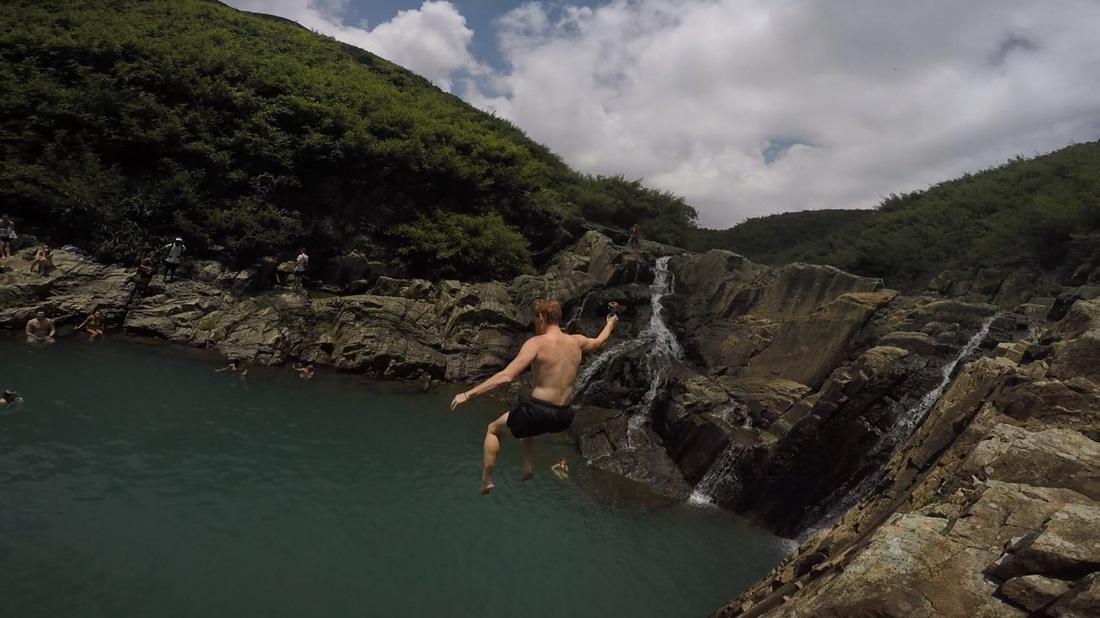 Sheung Luk Stream The Sheung Luk Stream in Sai Kung Country Park is quickly becoming one of the more popular summer spots to take a refreshing dip. Although the lower waterfall of Sheung Luk Stream is not the most picturesque waterfall going around, it is a lot of fun and serves as suitable refreshment after a day spent at the beach. This hangout spot has deep pools for swimming and cliff jumps of differing heights from little ledges to 7meter drops. Getting there: From Sai Kung, take the 29R village bus or taxi to Sai Wan Pavilion. Walk for an hour to reach Sai Wan and then a further 10 minutes upstream from Sai Wan beach to reach the pools. 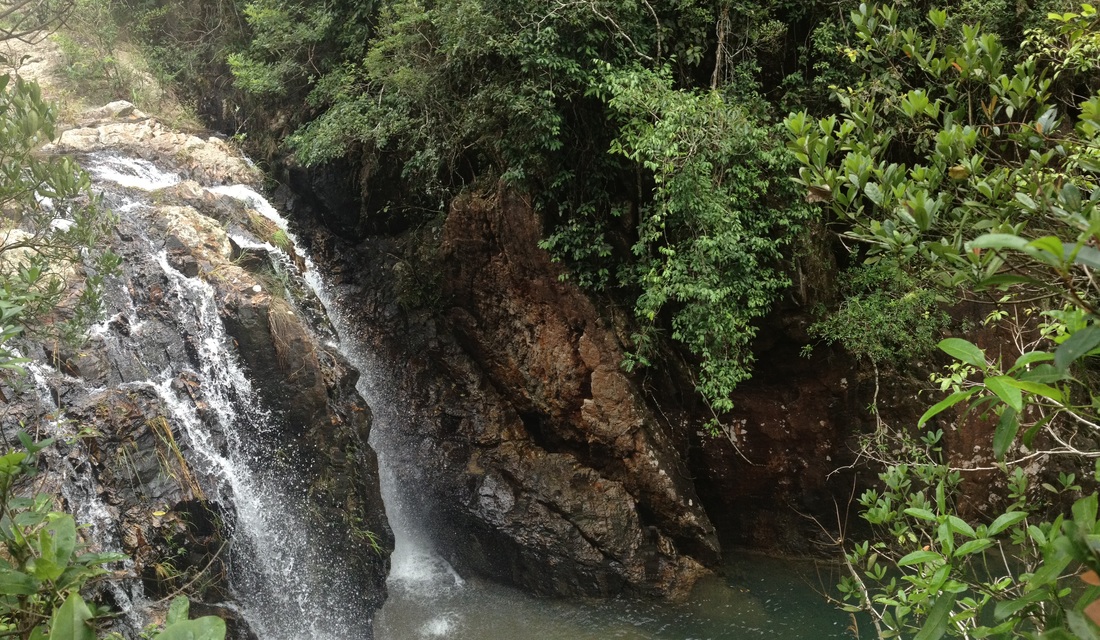 Tai Tam Mound Waterfall
Secretly tucked away above Tai Tam Tuk Reservoir, it’s easy to walk right past Tai Tam Mound Waterfall without a second thought. The natural beauty starts out as a stream over a low cliff, but then continues through a stretch of wild greenery, before dropping out of sight. Getting there: Walk northwest along the Hong Kong Trail, north of Tai Tam Tuk Reservoir dam. Cross the bridge after 10 minutes and at the next wooden bridge, you will see a scramble down a tiny stream on the left.
IN THE DECEMBER ARTICLE OF OUR MONTHLY COLUMN IN SAI KUNG/SOUTHSIDE MAGAZINES; WE HEAD OUT ON TWO WHEELS TO SEE SOME OF HK'S COOLEST SPOTS
When imagining cycling in Hong Kong, the thoughts typically conjured up in one’s mind would only seem appealing to the thoroughly adventurous type. The sole domain of bicycle enthusiasts, negotiating undulating terrain on either a busy road or rocky path. For the most part, this stereotype is well deserved. Cycling any kind of significant distance in HK usually involves serious challenges due to the region’s topography and urbanization. However there is one spot that bucks the trend and offers everything someone could ever want from a bicycle excursion.
The Tolo Harbour (Hong Kong’s largest) pries its way into the inner most parts of the eastern New Territories offering plentiful coastlines for cyclists and nature lovers to experience. The inner areas of the harbour are home to the towns of Sha Tin and Tai Po; these settlements make ideal hubs from which to explore the area’s remote outer fringes. 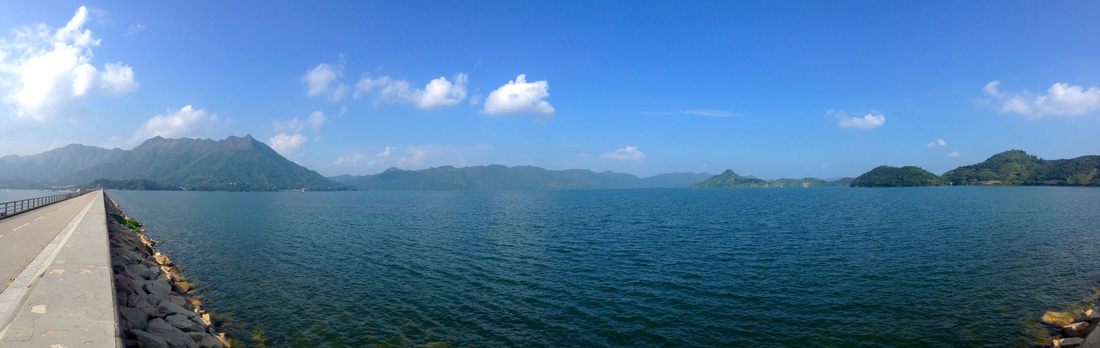

Starting in the southern district of Tai Wai, it is possible for one to cycle on dedicated bicycle paths uninterrupted for up to 30 kilometers, all the way to the northern lakeside village of Tai Mei Tuk! Getting there is easy; simply jump onto the MTR east rail and one is rapidly taken out of Kowloon and deposited in the New Territories. Hop off at Tai Wai Station Exit A and across the street are multiple bicycle rental shops, open all year offering a variety of bikes at a fair price (typically $70 for a basic run around and $120 for a road bike per day). Try and find a shop that has outlets in both Tai Wo and Tai Mei Tuk, that way you have the option to make a one-way trip. Some shops don’t offer helmets, so you may wish to come prepared in that department. Also, if you have your own bicycle it is possible to take it on the MTR outside of rush hours simply by removing the front wheel.
Once all geared up, the fun begins! Ride northwards through Sha Tin, keeping the Shing Mun River on your right-hand side. Soak up the recreational atmosphere of the town; many folk are out on the water during weekends rowing, fishing, running, flying kites and of course, cycling! The paths can be busy during these times, but never congested. On weekdays the vibe is more peaceful and you will often have the cycle path at your complete disposal. It is a super option for families as it avoids any road crossings and all hazards are well sign posted. After notching up the first 5 kilometers, the Shing Mun River runs into the Tolo Harbour and expansive views open up right before you. The route is well serviced with public toilets and drink kiosks for folk who fancy a quick pit stop en route. Once you’ve reached the next large town of Tai Po, it’s key to make a right hand turn and head for Tai Po Waterfront Park. Turning eastwards, you continue to hug the coastline for another 30-45 minutes until reaching the idyllic village of Tai Mei Tuk. Views on this section of the route are all around you, with the Pat Sin Leng Mountains on the left and a vast expanse of water on the right, often peppered with small sailing craft. 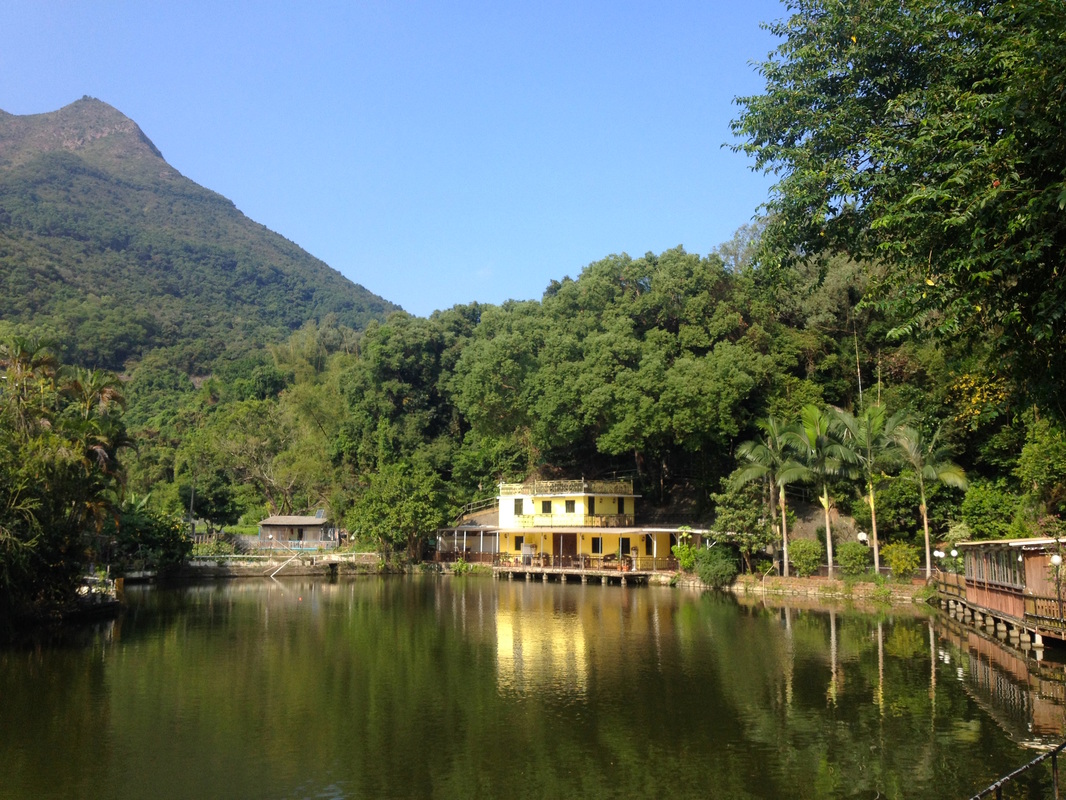
From Tai Mei Tuk onwards, one can either finish their journey and relax at one of many Thai restaurants in town or extend the cycling adventure. For those who fancy more pedaling, follow the cycle path out onto the damn wall of Plover Cove Reservoir. It is a thoroughly scenic and worthwhile detour. In favor of the more intrepid, continuing on the main road into Plover Cove Country Park is a breathtaking outing! Having finishing cycling, there are a number of different buses and minibuses from Tai Mei Tuk heading back to the MTR in Tai Po. One can also catch a green taxi back there for around $80.
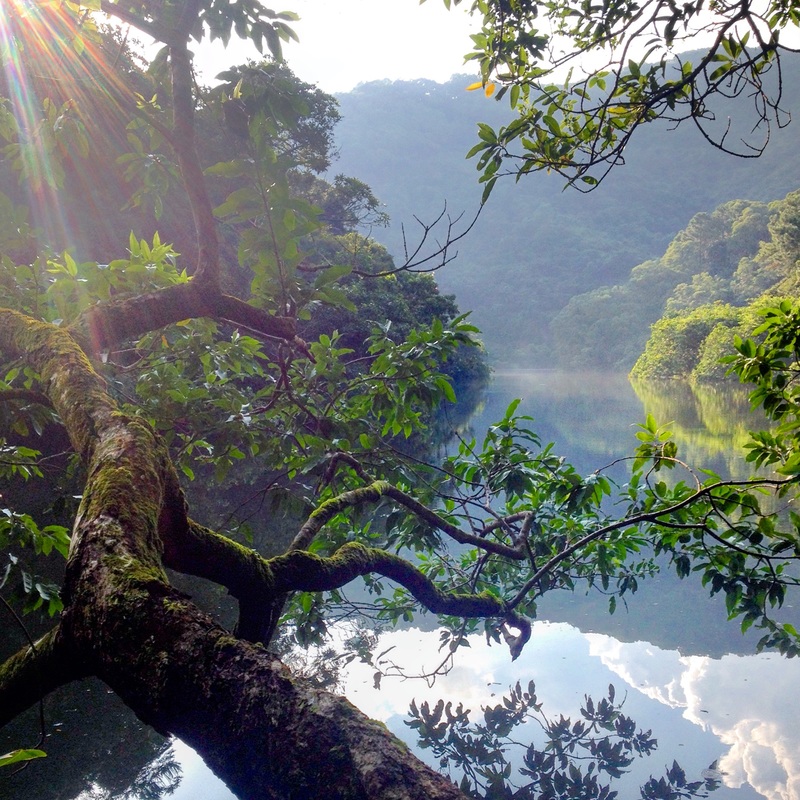
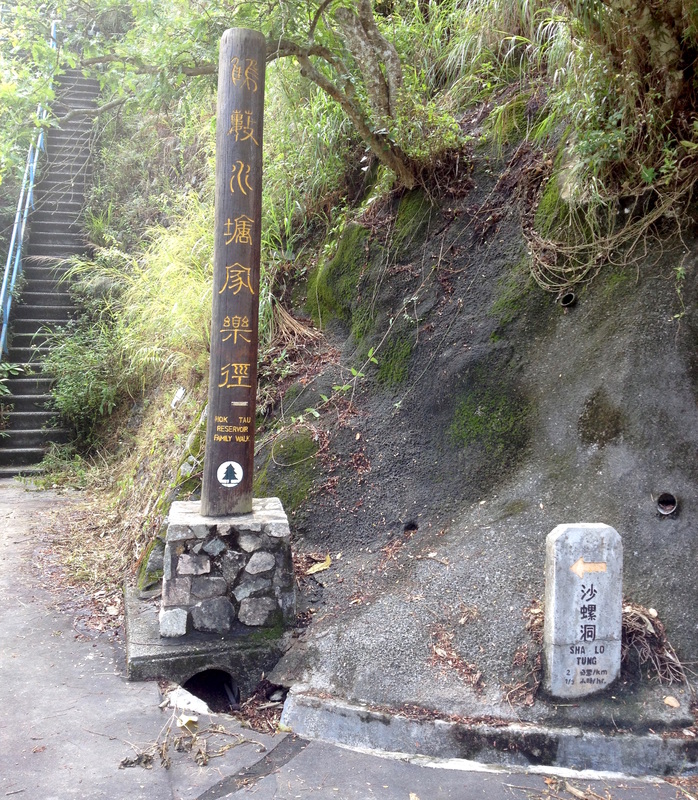
This is an adventure for all. A safe and pleasant excursion catering to the needs of families, yet one that is engaging and flexible enough to keep the most saddle hardened of cyclists honest. These winter months are ideal for cycling in HK, so there is no better time get out and explore. IN THE NOVEMBER ARTICLE OF OUR MONTHLY COLUMN IN SAI KUNG/SOUTHSIDE MAGAZINES; WE VENTURE OUT INTO THE WILDS OF PAT SIN LENG COUNTRY PARK, TO THE HIDDEN GEM THAT IS HOK TAU If you fancy exploring a natural world that most folk don’t know about within Hong Kong, then a day trip out to Hok Tau Reservoir could be in order. Located within the innermost depths of Pat Sin Leng Country Park, it is a region that is as much unknown as it is remote. However, the area is easily assessable via public transport and totally worth the effort to reach. Nestled amongst rolling hills and the gateway to the northern parts of Pat Sin Leng Country Park, Hok Tau is truly rural. Life moves at a different pace here, the locals are as relaxed as they come in HK. It rubs off quickly and once there, you certainly won’t be in a rush to leave. From there one can venture into higher peaks of Pat Sin Leng and discover hidden gems that lie within. 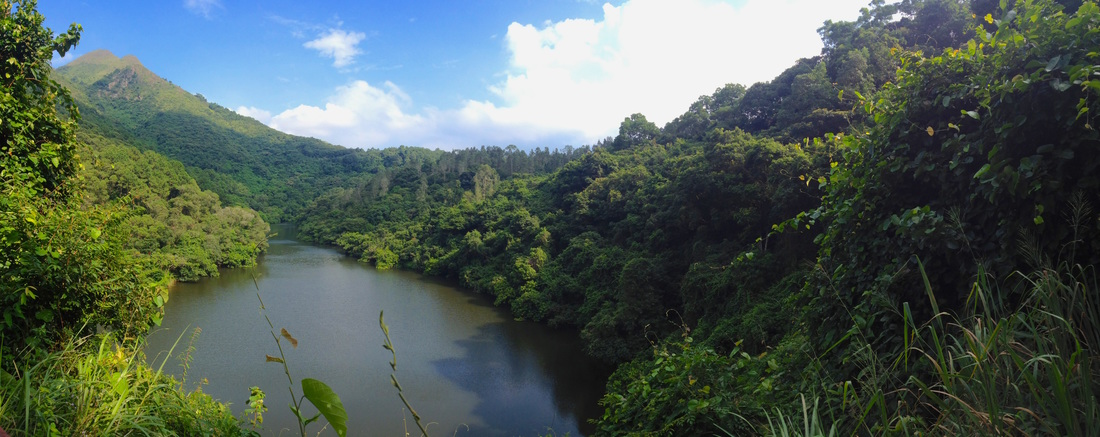 The simplest way in (other than driving) is to head into the northern New Territories on the MTR East Rail Line before disembarking at Fanling Station. From there, one can catch the 52B minibus that departs roughly every 20 minutes. Hop off the bus at Hok Tau Wai and make your way to the t-junction in the road. Continue along the sealed road in a southerly direction following signs for Hok Tau Reservoir. Walking in is easy going on a sealed access road. The imposing ranges of Pat Sin Leng become ever nearer and before you know it you’re in amongst the rocky peaks. After rising up, one reaches a dam wall and the impressive panorama of the lake held behind is unveiled; from this point onwards the adventure begins in earnest.
Back at the reservoir, one either rejoins or continues along the Family Trail beside the lake. This final leg of the loop is particularly pleasant, walking along a flat paved surface under large shady trees that cloak the waters edge. It is most definitely worth it to have a breather down here, soak up the tranquil atmosphere and capture relaxing views across the water. 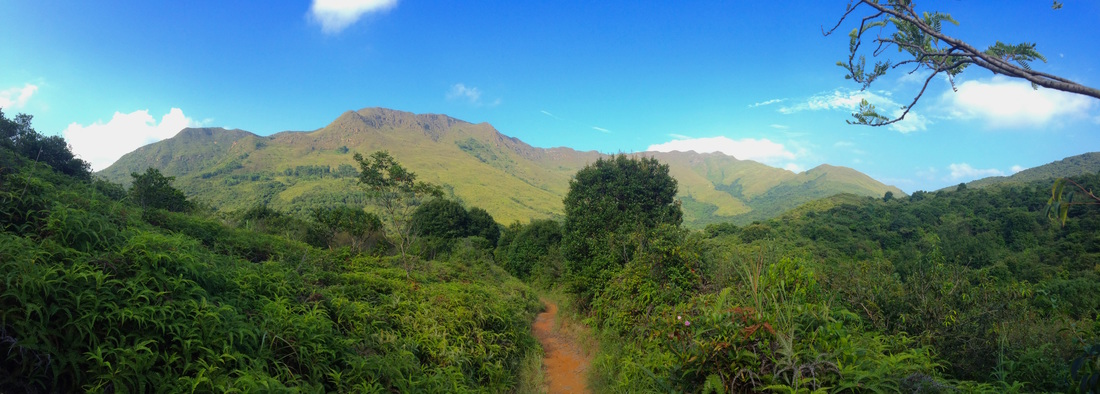 It’s perfectly feasible to walk the lakeside loop in a clockwise direction, but the anticlockwise adventure makes for the best experience and simplest navigation. Once back at the dam wall, retrace your steps down the valley to Hok Tau village. Return travel from the Hok Tau Wai is fairly simple. More or less the same way as when you came in. However it is probably worth catching a taxi back to the main highway near Fanling if possible to avoid waiting for a minibus.
This far-flung corner of HK has an incredible amount on offer for those who enjoy venturing into the wild; a day trip here serves up an insight into Hong Kong’s past and the full scope of her landscape. Escaping to Hok Tau provides a peaceful retreat for those wishing to find space for reflection or satisfy a burning urge of wanderlust.
IN THE OCTOBER ARTICLE OF OUR MONTHLY COLUMN IN SAI KUNG/SOUTHSIDE MAGAZINES; WE SCALE THE LION ROCK!!
For those who thought The Peak was the most dramatic summit looming over Victoria Harbour, think again. There is a roaring lion to north. It may not be as well known, but the Lion Rock is right up there in terms of grandeur. Conquer this rugged ridge and one will witness some of Hong Kong’s finest views. Feel the intense sprawl of Kowloon and enjoy the iconic backdrop of HK Island behind. Meanwhile a gaze round the other side reveals Sha Tin Valley and the expansive hills of the New Territories. Not only is being at the top incredible, but the walking to be had either side is most enjoyable. 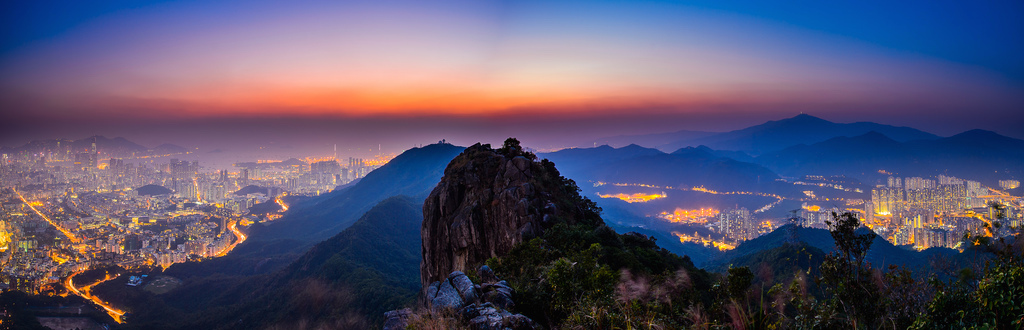
Mid afternoons make an ideal time to set off, ensuring cooler temperatures and sunset vistas from the summit. The route up is easily accessed from Wong Tai Sin MTR Station. Find exit E and begin climbing up Sha Tin Pass Road, stay on Sha Tin Pass Road and you shall gradually rise above the tower blocks of Kowloon. After about 45 minutes of walking, you’ll intercept the MacLehose Trail and signage for the Lion Rock Country Park on your left hand side. This is where the real adventure begins. Just before shooting up the dirt path, if one fancies a refreshing drink or bite to eat; then continue another 50 meters up Sha Tin Pass Road to discover a delightful little Dai Pai Dong. Head back down to the Country Park sign and get stuck into an engaging ridge walk through lush forests. Keep an eye out for wildlife along the way, in particular monkeys! The path will undulate for an hour until arriving at the foot of the Lion Rock. From this juncture, follow the signposts for the Lion Rock and climb the staircase. Granted it may be hard work, but entirely worth it for what awaits. 
Upon the reaching the summit at 495 meters above sea level, the footpath emerges from the undergrowth to reveal unrivaled panoramas of Kowloon and its surrounds. Pose for dramatic photos above large granite outcrops dating back to the Jurassic Period. Or take a perch, soaking up the relaxing vibes as skies darken and the vibrant lights from the millions below come to life.
The Lion Rock is a classic year round hike almost anyone can have a crack at, yet one that keeps even the most seasoned of hikers honest. Its enchanted forests below and spectacular vistas above will no doubt leave one wanting to revisit for another go.
IN THE SEPTEMBER ARTICLE OF OUR MONTHLY COLUMN IN SAI KUNG/SOUTHSIDE MAGAZINES; WE ADVENTURE TO LANTAU!!
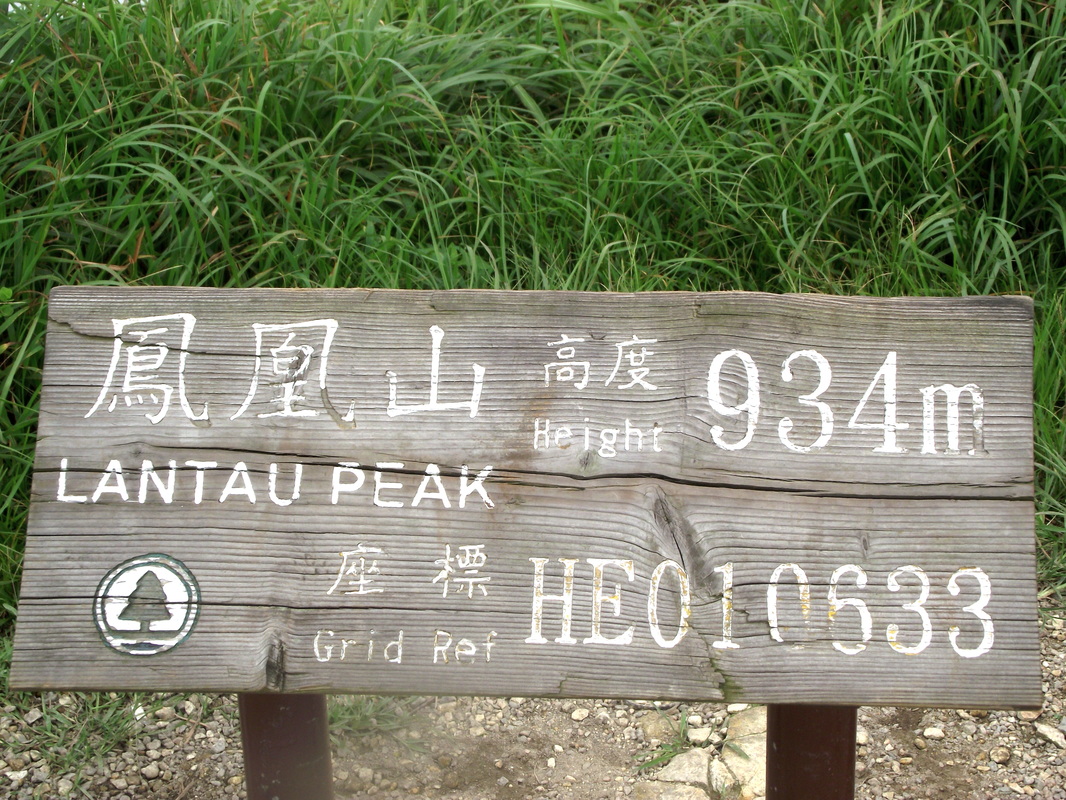
"Whenever I touch down in Hong Kong by plane, the imperious sight of Lantau Peak leaves me looking back up towards the sky in awe. No matter whether you’re arriving in HK for the first time or returning home, the majesty of the territory’s second highest point is lost on few people. The allure of Lantau Peak draws in numerous visitors throughout the year; as a consequence there are many ways to ascend it these days. I recommend attacking this beast of a mountain via the South Ridge, because despite it being one of the most spectacular routes around; surprisingly, it is one of the less frequented.
Continuing upwards, the incline increases and the flora slowly thins out as you reach the South Ridge proper. From Hong Kong Island on one side to Macau on the other, the views by this point of the trek are simply breathtaking on a clear day!
Reaching the summit is a rigorous examination of one’s fitness, particularly during the summer months. Regardless of the exhaustion, reaching the pinnacle of Lantau Island is a tremendously relaxing experience. At almost 1000m up, conditions here can often serve as a temperate retreat from the tropical temperatures at sea level. Gaze down upon the splendour of Lantau, the outlying islands and all of mankind’s various creations that pepper this diverse landscape. 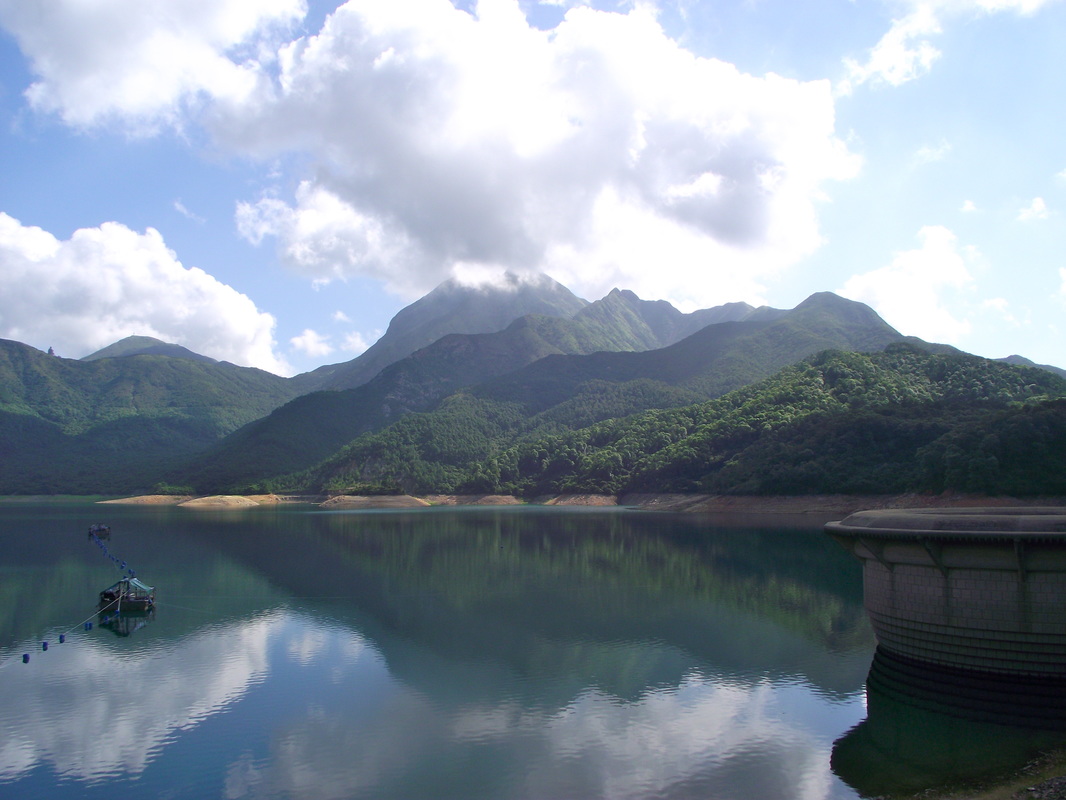
In order to head back towards civilisation, one can chose from options of various characters. For Lantau first timers, hike down to the Tian Tan Buddha and soak up the vibes of the Po Lin Monastery before either walking the concrete path, bussing it or catching the cable car back to Tung Chung. For those who are after a more authentic route off the mountain, follow the trail down the equally impressive North Ridge. You’ll eventually meet the North Lantau Road at Pak Kung Au, where there are a number of buses one can take to Tung Chung.
All in all, this is arguably Hong Kong’s most prestigious summit to have bagged. It may not be quite as high as Tai Mo Shan, or as technical as other hills, but Lantau Peak is the true heavyweight of Hong Kong the mountain climbing scene. For anyone who enjoys a physical challenge and packing in lots of sights, this route from Shek Pik Reservoir makes for an incredible day out." |
Categories
All

About usWe are one of Hong Kong's premier adventure & eco tour operators. This is our blog, documenting many of the wild places we explore and show guests. Archives
April 2024
|

 RSS Feed
